
Understand the Importance of Your NPI

Your National Provider Identifier (NPI) is a unique identification number assigned to healthcare providers in the United States. It’s essential for billing, insurance claims, and patient identification, making it a prime target for fraud. If someone misuses your NPI, it can lead to significant financial losses, legal issues, and damage to your professional reputation.
According to the National Health Care Anti-Fraud Association, healthcare fraud costs the U.S. healthcare system around $68 billion annually. This staggering figure underscores the importance of protecting your NPI. Fraudulent claims can not only lead to financial penalties but can also result in audits, investigations, and even criminal charges if not addressed promptly.
Secure Your NPI Information
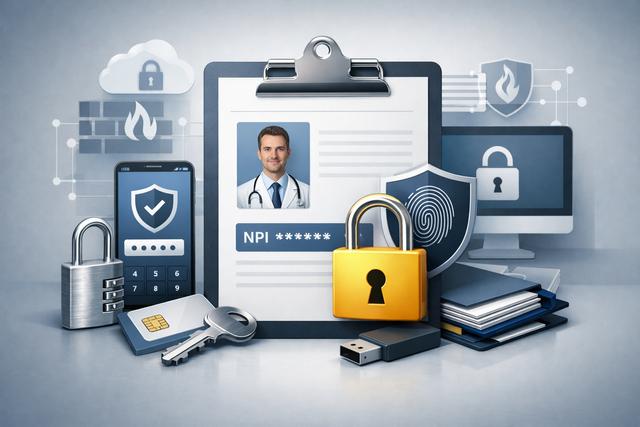
The first step in preventing NPI fraud is to secure your information. This means being cautious about where and how you share your NPI. Limit access to your NPI to only those who absolutely need it, such as billing staff and authorized personnel.
Consider using secure communication channels when discussing sensitive information. For example, avoid sending your NPI via email unless encrypted. Instead, use secure platforms designed for healthcare communication, such as encrypted messaging apps or dedicated healthcare software like Doctofam.
Additionally, regularly review who has access to your NPI. Conduct audits every six months to ensure that only current employees or authorized personnel have access. If an employee leaves your practice, immediately revoke their access to any systems containing your NPI.
Regularly Monitor Your NPI Usage
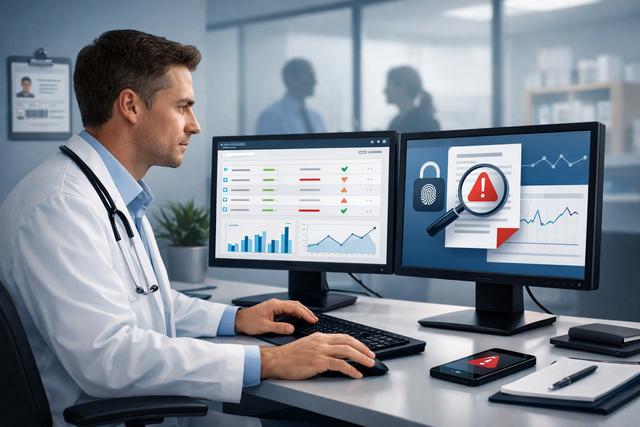
Monitoring your NPI usage is crucial in preventing fraud. Regularly check your billing statements and insurance claims for any discrepancies. If you notice services billed under your NPI that you didn’t provide, act immediately.
Set up alerts with your billing department to notify you of any unusual activity. For instance, if a claim is submitted for a service you didn’t perform, you’ll be alerted right away. This proactive approach can help you catch fraud before it escalates.
Consider using tools that allow you to track your NPI usage. Some software solutions provide dashboards that show claims submitted under your NPI. By reviewing this data weekly, you can quickly identify any anomalies. For example, if you notice a sudden spike in claims for a specific procedure, it could indicate fraudulent activity.
Implement Strong Password Practices
Strong passwords are your first line of defense against unauthorized access. Ensure that any system requiring your NPI has robust password protection. Use a combination of upper and lower case letters, numbers, and special characters. Avoid using easily guessable information like birthdays or common words.
Consider implementing two-factor authentication (2FA) for added security. This requires a second form of verification, making it more difficult for unauthorized users to access your information. For example, if someone tries to log in, they’ll need to provide a code sent to your phone or email.
Additionally, enforce a password change policy within your practice. Require staff to change their passwords every three to six months. This practice helps mitigate the risk of old passwords being compromised. Use password management tools to generate and store complex passwords securely.
Educate Your Staff
Your team plays a significant role in protecting your NPI. Conduct regular training sessions to educate staff about the importance of safeguarding sensitive information. Make sure they understand the risks associated with sharing NPI and how to recognize potential fraud.
For instance, teach them to identify phishing emails that may attempt to steal their login credentials. Regularly updating your team on the latest fraud trends can help keep your practice secure. You might consider hosting quarterly workshops where staff can learn about current fraud tactics and how to counteract them.
Encourage an open-door policy where staff can report suspicious activity without fear of reprimand. Create a culture of awareness and vigilance within your practice. For example, if an employee notices a suspicious email asking for NPI information, they should feel empowered to report it immediately.
Use Secure Practice Management Software
Investing in secure practice management software can significantly reduce the risk of NPI fraud. Look for software that offers encryption and secure data storage. For instance, Doctofam provides a comprehensive solution that prioritizes data security and compliance.
Ensure that the software you choose complies with HIPAA regulations, which set strict standards for protecting patient information. This not only secures your NPI but also helps you maintain compliance with federal laws. Check for features like user access controls, audit logs, and data encryption.
Additionally, consider software that offers regular security updates and support. This ensures that your practice is protected against the latest threats. For example, if a vulnerability is discovered, your software provider should promptly release a patch to address it.
Report Any Suspicious Activity
If you suspect that your NPI has been compromised, report it immediately. Contact your local law enforcement and the National Provider Identifier database. The sooner you act, the better chance you have of mitigating potential damage.
Additionally, consider notifying your patients if their information may have been affected. Transparency can help maintain trust and prevent further issues down the line. Prepare a communication plan to inform your patients about the situation and the steps you’re taking to resolve it.
Document all suspicious activities and your responses to them. This record can be invaluable if you need to demonstrate your proactive measures to authorities or insurers. For example, if you notice unauthorized claims, keep a log of dates, amounts, and actions taken to address the issue.
Keep Your NPI Up-to-Date
Regularly review and update your NPI information. If you change your address, practice name, or any other relevant details, make sure to update your NPI accordingly. This helps ensure that only authorized individuals have access to your information.
Additionally, regularly auditing your practice’s information can help you identify any discrepancies that may indicate fraud. For example, if your practice name is listed incorrectly, it could be a sign of unauthorized use. Conduct a full audit of your practice’s billing and insurance claims at least once a year.
Set a reminder to check your NPI information quarterly. This can be a simple task, but it’s crucial for maintaining the integrity of your practice. Use checklists to ensure that all aspects of your NPI are current and accurate.
Utilize Fraud Prevention Resources
Many organizations offer resources to help healthcare providers prevent fraud. For instance, the Centers for Medicare & Medicaid Services (CMS) provides guidelines and tools to help you protect your NPI. Familiarize yourself with these resources and implement their recommendations.
Consider joining professional organizations that focus on healthcare fraud prevention. Networking with other professionals can provide valuable insights and strategies to keep your practice secure. You can also explore tools that help you assess your practice’s vulnerabilities.
Participate in webinars and workshops offered by these organizations. Staying informed about the latest trends in healthcare fraud can help you better protect your practice. For example, many organizations provide case studies on recent fraud cases that can offer insights into how to prevent similar issues.
Conclusion
Protecting your NPI from fraud requires vigilance and proactive measures. By understanding the importance of your NPI, securing your information, and educating your staff, you can significantly reduce the risk of fraud.
Implementing these best practices not only safeguards your NPI but also enhances the overall security of your medical practice. Stay informed, stay secure, and ensure your practice thrives without the threat of fraud. Remember, the cost of prevention is always less than the cost of dealing with fraud after it occurs.
