
Understand the Barriers to Attendance

To improve follow-up attendance, you first need to identify the barriers your lower-income patients face. Transportation issues, financial constraints, and lack of awareness about the importance of follow-ups can all contribute to missed appointments. For example, a study found that 30% of Medicaid patients cited transportation as a major hurdle in attending follow-up appointments. This means that if you have 100 patients, about 30 may not show due to transportation alone.
Additionally, many lower-income patients may struggle with the costs associated with healthcare, including co-pays and medications. A survey revealed that 25% of lower-income patients skip appointments because they cannot afford the associated costs. Understanding these challenges is crucial for developing effective strategies to enhance attendance.
To gain deeper insights, consider conducting a survey or focus group with your patients. Ask them directly about their challenges in attending appointments. This data can inform tailored interventions that address specific barriers.
Implement Reminder Systems
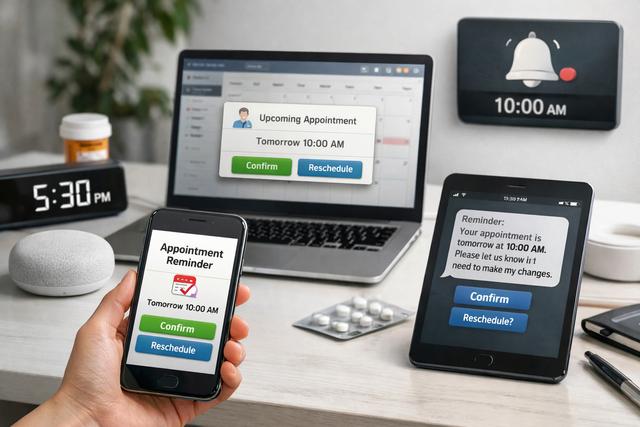
One of the most effective ways to increase follow-up attendance is by implementing reminder systems. Research shows that appointment reminders can reduce no-show rates by as much as 50%. You can use various methods, such as SMS or WhatsApp reminders, to reach your patients effectively. For instance, sending a reminder a day or two before the appointment can significantly increase the likelihood that patients will attend.
Utilizing SMS medical appointment reminders has proven particularly effective. A case study from a clinic that used SMS reminders reported a reduction in no-shows from 20% to just 10% over three months. This simple strategy can make a substantial difference in your practice.
Consider personalizing these reminders with the patient’s name and specific appointment details. This personal touch can make patients feel more connected and accountable for their appointments.
Enhance Accessibility of Services
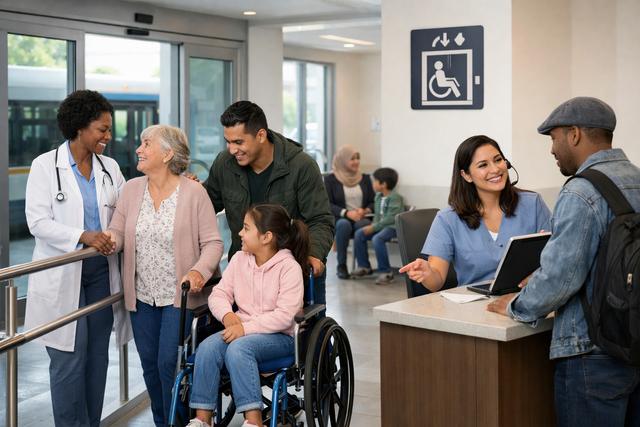
Making your services more accessible can lead to higher follow-up attendance rates. Consider offering flexible appointment scheduling, including evenings and weekends. A study showed that clinics with extended hours saw a 20% increase in patient attendance. For example, if your clinic currently operates only during standard business hours, adding just two evening slots per week could accommodate patients who work during the day.
Additionally, consider offering telehealth options. Lower-income patients may find it easier to attend a virtual appointment rather than traveling to a clinic. This can be particularly beneficial for those with mobility issues or childcare challenges. A recent report indicated that telehealth visits increased by 154% during the pandemic, highlighting its growing acceptance among patients.
Make sure to promote these options clearly on your website and during patient interactions. You can even create a dedicated page explaining how telehealth works and its benefits, making it easier for patients to understand and utilize these services.
Educate Patients on the Importance of Follow-Ups
Education plays a vital role in improving follow-up attendance. When patients understand the importance of follow-up appointments for their health, they’re more likely to attend. Use your waiting room or patient portals to provide educational materials that explain the benefits of follow-ups. For example, you might share statistics that show how regular follow-ups can lead to better health outcomes.
Consider hosting informational sessions or workshops that focus on the importance of follow-ups. These could be brief 30-minute sessions where patients can ask questions and learn more about managing their health. Engaging patients in this way can foster a sense of community and support.
You can also leverage your blog on reducing patient no-shows to share tips and insights with your patients. Regularly updating this content keeps it fresh and relevant, encouraging patients to return for more information.
Build Strong Relationships with Patients
Building trust and rapport with your patients can significantly impact their likelihood of attending follow-up appointments. When patients feel valued and understood, they’re more inclined to keep their appointments. Take the time to know your patients and their unique circumstances. Personalizing interactions can make a substantial difference.
Consider assigning a dedicated staff member to follow up with patients after their visits. This personal touch can make a difference, especially for lower-income patients who may feel overlooked in a busy practice. A simple phone call can remind them of the importance of their follow-up and answer any questions they might have. Studies show that personal outreach can improve attendance by up to 25%.
Additionally, train your staff on effective communication techniques. Empathy and active listening can help build stronger relationships. Encourage your team to ask open-ended questions and show genuine interest in patients' health journeys.
Utilize Incentives
Offering incentives can encourage patients to attend their follow-up appointments. Consider providing small rewards, such as gift cards or discounts on future services, for patients who keep their appointments. A study found that providing incentives increased attendance rates by 15% among lower-income populations.
Make sure to communicate these incentives clearly during the appointment scheduling process. This can create a sense of excitement and motivation for patients to show up. You might also consider partnering with local businesses to provide rewards that resonate with your patient demographic, such as discounts at grocery stores or pharmacies.
Incentives can also be tiered. For example, if a patient attends three consecutive follow-up appointments, they might receive a larger reward. This encourages ongoing engagement and reinforces the importance of regular check-ups.
Leverage Technology for Better Management
Using a robust practice management software can streamline your operations and improve patient follow-up attendance. With tools that allow for easy scheduling, reminders, and patient communication, you can enhance the overall patient experience. A well-designed software can reduce administrative burdens and allow your team to focus more on patient care.
For instance, Doctofam offers features that can help manage appointments effectively, reducing no-shows. By utilizing technology, you can ensure that patients receive timely reminders and have easy access to their appointment information. In fact, practices that use comprehensive management software have reported a 20% increase in patient attendance.
Additionally, consider using data analytics to track patient attendance trends. This can help you identify patterns and adjust your strategies accordingly. For example, if you notice higher no-show rates on specific days, you can explore reasons and implement targeted interventions.
Monitor and Analyze Attendance Trends
Regularly monitoring and analyzing attendance trends can help you identify areas for improvement. Use your practice management software to track no-show rates and patient demographics. This data can provide insights into which groups might need additional support. For example, if you notice that younger patients are more likely to miss appointments, you can tailor your outreach efforts to engage them better.
Set specific goals for improving attendance rates. For instance, aim to reduce no-shows by 10% over the next quarter. Regularly review your progress and adjust your strategies as needed. Sharing these goals with your team can foster a sense of accountability and teamwork.
Consider implementing patient feedback mechanisms, such as surveys, to gather insights on why patients may not attend follow-ups. This qualitative data can complement your quantitative analysis and guide your efforts.
Collaborate with Community Resources
Partnering with local community organizations can enhance your outreach efforts and provide additional support for your lower-income patients. These organizations often have resources that can help address transportation issues, financial constraints, or educational gaps. For example, local nonprofits may offer free transportation services for medical appointments.
Consider collaborating with local nonprofits or social services that focus on healthcare access. By working together, you can create a network of support that encourages follow-up attendance. This collaboration can also help raise awareness about your services within the community. You might co-host health fairs or informational sessions to educate the community about the importance of follow-ups.
Additionally, leverage social media to promote these partnerships. Highlighting your collaboration can build trust and credibility within the community, encouraging more patients to seek care.
Conclusion
Improving follow-up attendance for Medicaid and lower-income patients requires a multifaceted approach. By understanding barriers, implementing reminder systems, enhancing accessibility, and building strong relationships, you can significantly increase attendance rates. Don’t forget to utilize technology and community resources to create a supportive environment for your patients.
For more insights on managing clinic appointments, check out our best practices for managing clinic appointments. Together, we can ensure that every patient receives the care they need and deserve. By taking proactive steps, you’ll not only improve attendance but also enhance the overall health outcomes for your patients.
